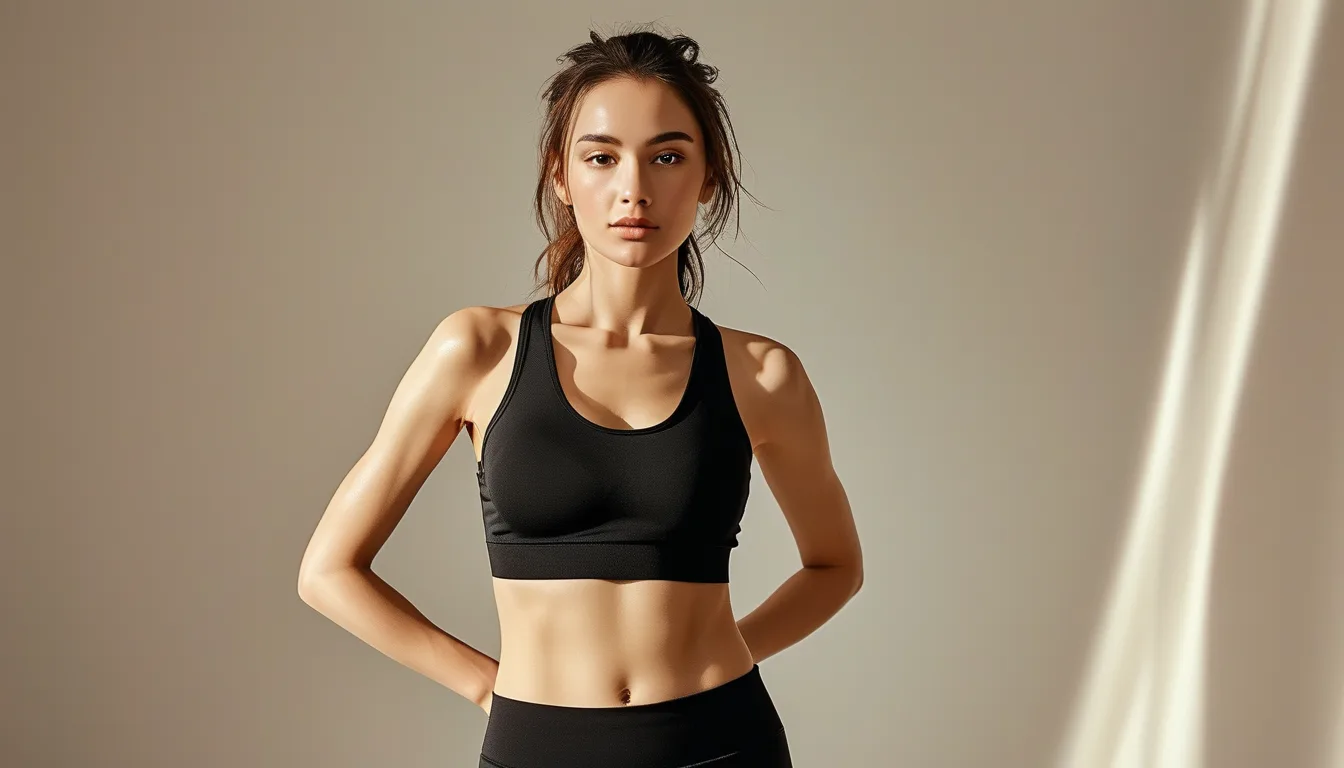
The Styling Trick That Actually Makes Legs Look Longer (Backed by Why It Works)
Quick Answer: The most reliable way to visually lengthen legs is raising the visual “waist break” — where the eye perceives the torso ending and legs beginning — using a high, defined waistline (high-rise bottoms, a tucked or cropped top) rather than anything about the pants’ actual length or color. Monochrome or tonal dressing (top and bottom in a similar shade) reinforces this by removing a visual break entirely.
The common advice to “wear heels” or “avoid horizontal stripes” only accounts for a small part of the actual effect — the highest-impact lever is almost always where your outfit visually splits your torso from your legs, not the shoes or the pattern.

Why does the waist break matter more than actual pant length?
The eye reads proportion by locating where one “section” of an outfit ends and another begins, and a lower waist break (a dropped-waist silhouette, or a long untucked top) visually shortens the leg portion regardless of how long the pants actually are. Raising that break point — via a high-rise bottom or a tucked-in top — shifts more of the outfit’s visual real estate into the “leg” category, which reads as a longer leg line even when actual measurements haven’t changed.
This is a well-documented principle in styling and proportion theory, and it’s a bigger lever than almost any other single styling choice, including shoe height.

Does color and monochrome dressing actually make a measurable difference?
Yes — a single continuous color or tonal palette from top to bottom removes the visual break that a strong color contrast creates, which is why an all-black or tonal outfit often reads as longer and leaner than the same silhouette in two contrasting colors. This works because a color break, like a waist break, gives the eye a place to stop and divide the body into visual segments.
Vertical elements — a seam line, a long open cardigan, a slight vertical stripe — reinforce the same effect by drawing the eye up and down rather than across, though this is a smaller-impact addition on top of the waist-break and monochrome principles.
What Nobody Tells You About This Styling Trick
This effect works regardless of actual height or leg length — it’s a proportion illusion based on where visual breaks occur, not a fix limited to any specific body type. This is why the same principle shows up across styling advice for petite, average, and tall women alike, even though the specific advice given to each group sometimes differs in emphasis.
The trick can be undone just as easily as it’s created — a wide contrasting belt at natural waist height, or a cropped top that stops well above a high-rise bottom (creating a visible skin gap that acts as its own break point), can cancel out the lengthening effect even when the underlying pieces are otherwise correct.
TL;DR:
- Raising the visual waist break (high-rise bottoms, a tucked top) is the highest-impact way to visually lengthen legs
- This works by shifting more visual space into the “leg” category, regardless of actual pant length
- Monochrome or tonal dressing removes a competing visual break and reinforces the effect
- The principle works regardless of actual height — it’s about proportion, not body type
Once you know where to place the break, lengthening your leg line stops being about buying different pants and starts being about how you style the ones you already own.
Keep Reading
This article is for general informational and styling purposes only. Fit, sizing, and product availability may vary.